The Reality of Heaven Testimonies: Do NDEs Actually Prove an Afterlife?
For decades, accounts of individuals who claim to have died, visited Heaven, met Jesus, and returned to share their stories have captivated millions. Whether through books, podcasts, documentaries, or viral social media posts, these accounts often describe vivid experiences of walking through Heaven, talking with angels, or receiving direct messages from God.
Such profound stories understandably bring up critical questions. Are these occurrences true glimpses into eternity? Are they reliable indicators of the heavenly realm? In this discussion, we explore the claims surrounding near-death experiences (NDEs), testimonies such as Gabe Poirot's reported encounter with Heaven, and why many Christians believe every supernatural claim should ultimately be tested against Scripture rather than personal experience.
Why Near-Death Experiences Capture So Much Attention
NDEs frequently take place in the wake of traumatic accidents, sudden medical emergencies, or brief moments of clinical death. Many individuals report remarkably vivid experiences, including encountering radiant lights, experiencing a profound sense of peace, moving through a tunnel, reuniting with departed loved ones, or believing they caught a glimpse of Heaven and Christ Himself.
Since these testimonies are deeply emotional and profoundly transformative, they quickly go viral on social media, television, and within the broader Christian community. To many individuals, these accounts provide powerful reinforcement for their belief in the afterlife. Conversely, others argue that spectacular supernatural claims must always undergo strict scriptural scrutiny.
Can Personal Experiences Be the Foundation of Truth?
A primary question raised by many believers is whether subjective spiritual encounters ought to be embraced as dependable evidence. Scripture frequently admonishes believers to walk in discernment rather than blindly accepting every supernatural claim.
Many Christians point to biblical texts that instruct the faithful to test the spirits, measure all teachings against the written Word, guard against spiritual deception, and rely on the objective truth of Scripture rather than subjective feelings. From a scriptural standpoint, even a deeply genuine experience can never supersede or equal the authority of God's Word.
The Growing Popularity of Heaven Testimonies
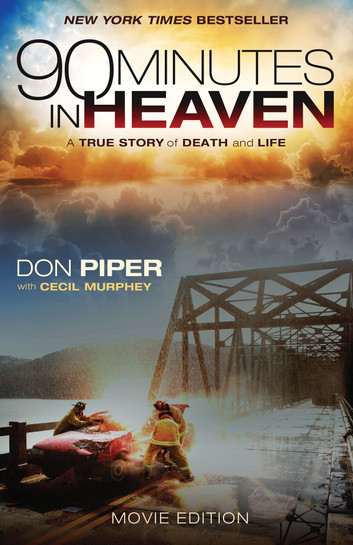
Lately, there has been a massive surge in the popularity of modern accounts of heavenly visitations. Numerous authors have released bestselling books detailing direct dialogues with Jesus Christ, elaborate descriptions of what Heaven looks like, encounters with well-known biblical personalities, or revelations about future events.
Certain accounts gain massive international traction, selling millions of copies and influencing entire congregations. Nevertheless, high sales and popularity do not automatically guarantee truth. As history routinely demonstrates, widely believed ideas can turn out to be completely false, making absolute discernment paramount.
Examining Claims Like Gabe Poirot's Story
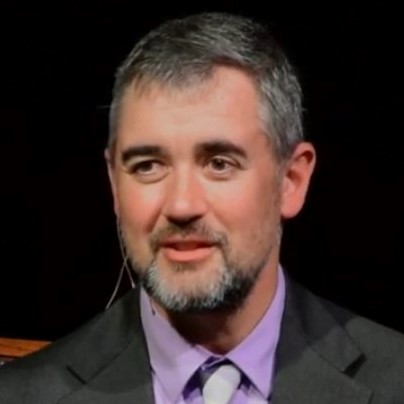
A prominent example often debated within Christian circles is the story of Gabe Poirot, who claims he spent eighteen days in Heaven conversing with Jesus before coming back to life. Testimonies of this scale understandably draw massive attention, as they promise an insider's view of the afterlife.
Those who embrace these stories often see them as inspiring proof of the spiritual world. Conversely, discerning believers argue that these assertions must be scrutinized by asking whether the account matches God's written Word or prioritizes a private experience above the public truth of the Bible. Instead of emotionally accepting or dismissing a claim, many Christians insist on filtering every testimony through the lens of Scripture.
Why Discernment Matters
The Bible frequently warns about deception. It is critical to remember that not every vision, dream, miracle, or supernatural event originates from the Lord. In fact, the Bible warns that deceptive teachers and false prophets can perform spectacular wonders while simultaneously steering people away from sound doctrine.
To counter this, Christians are taught to sharpen their discernment by deeply studying Scripture, praying for wisdom, testing every teaching, and maintaining a humble and cautious heart. Ultimately, discernment safeguards the faithful from being swayed by highly emotional narratives that conflict with holy Scripture.
The Difference Between Faith and Experience
Subjective experiences can certainly be incredibly powerful, and countless individuals have undergone unique events that completely altered their perspective on reality. Even so, true Christian doctrine asserts that saving faith is anchored in the objective Word of God, not fluctuating personal experiences.
Personal encounters might bolster an individual's faith, but they can never supplant Holy Scripture as the ultimate standard. This rule keeps the Church from anchoring its core convictions onto subjective tales that are impossible to test or prove.
Why Some Christians Question Heaven Testimonies
When it comes to assessing contemporary stories of traveling to Heaven, a few major concerns routinely surface.
Contradictory Descriptions
To begin with, separate accounts describe the architecture and nature of Heaven in wildly incompatible ways. Certain books feature details that openly clash with other testimonies, which cast doubt on their overall reliability.
New Revelations
Furthermore, many of these modern testimonies introduce concepts or new doctrines completely foreign to the Bible. Most orthodox Christians believe that biblical revelation is finished, closed, and should never be supplemented by modern private revelations.
Commercial Influence
It is also worth noting that books, speaking circuits, documentaries, and monetized social media videos about Heaven can be highly lucrative enterprises. While profit motives do not strictly mean a testimony is false, it provides a strong reason for healthy skepticism instead of naive acceptance.
Emotional Appeal
Testimonies about eternity inherently trigger profound emotional reactions. However, feeling deeply touched by a story is never a valid substitute for critical scriptural testing.
What Does the Bible Emphasize?
Instead of urging Christians to seek out mystical visions or heavenly tourism, the Bible places its emphasis on true repentance, placing absolute faith in Jesus Christ, walking in obedience to scriptural commands, and loving God and neighbor. The core of the Christian faith is not centered on exotic visions, but on the historic, redemptive work of Jesus Christ on the cross and His resurrection.
The Importance of Testing Every Teaching
Historically, the Christian Church has always upheld the duty of evaluating any new teaching by comparing it to the written Word. When listening to modern accounts that talk about angels, visions, dreams, miracles, or heavenly visitations, it is crucial to cross-examine whether the core message matches up with the text of Scripture.
A story might move you deeply, why people lie about going to heaven but emotional inspiration is not the same as divine truth. Rigorous scriptural testing keeps the body of believers firmly anchored in absolute truth rather than drifting into human speculation.
Finding Confidence in God's Word
For true believers, absolute certainty about the afterlife does not stem from NDEs, but from the infallible promises recorded in the Bible. Believers find their ultimate assurance in the historical resurrection of Jesus and the absolute promise of salvation for those who place their trust in Him. Instead of leaning on contemporary, unverified testimonies, Christians are exhorted to place their total trust in God's eternal Word.
Conclusion
Personal narratives about trips to Heaven remain deeply captivating to global audiences. Testimonies dealing with traumatic injuries, near-death events, and conversations with the Lord will always provoke curiosity and serious thought.
Simultaneously, believers are called to handle every modern miraculous claim with a balance of humility, wisdom, and scriptural discernment. Subjective encounters can sound incredibly convincing, yet they must always bow to the objective authority of the Bible.
Whether evaluating near-death encounters, books about visiting paradise, or unique spiritual revelations, the absolute benchmark for truth will always be Holy Scripture. By anchoring their faith firmly in the written Word instead of spectacular phenomena, Christians can process these discussions confidently while keeping their eyes fixed squarely on the true Gospel.